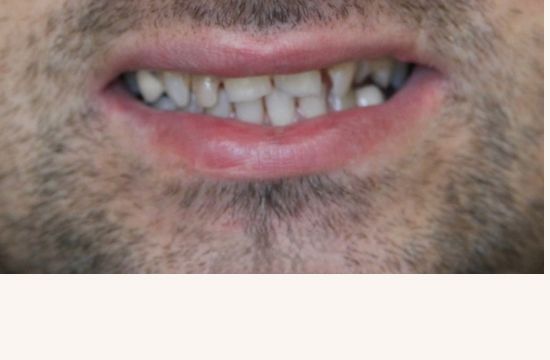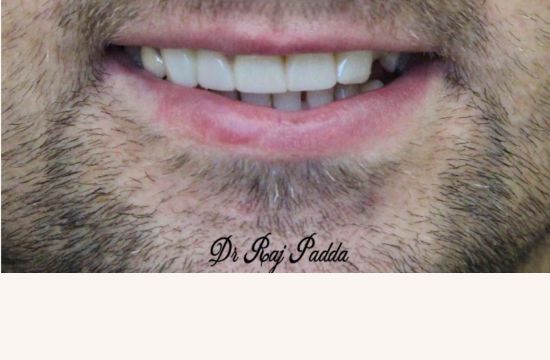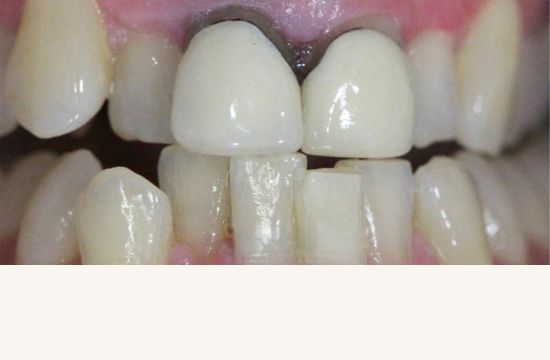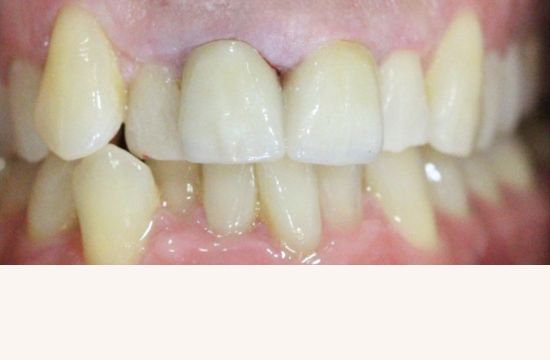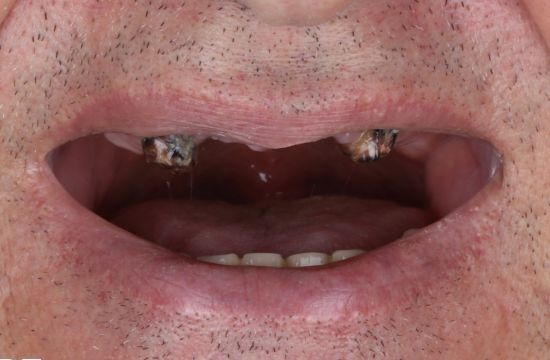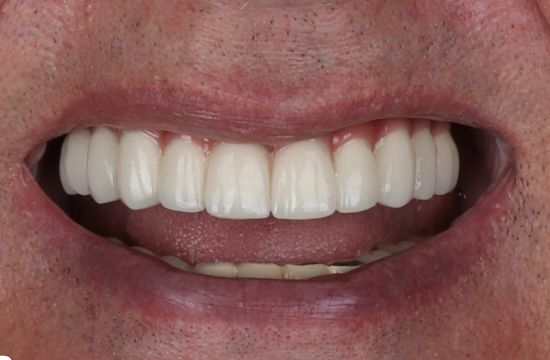

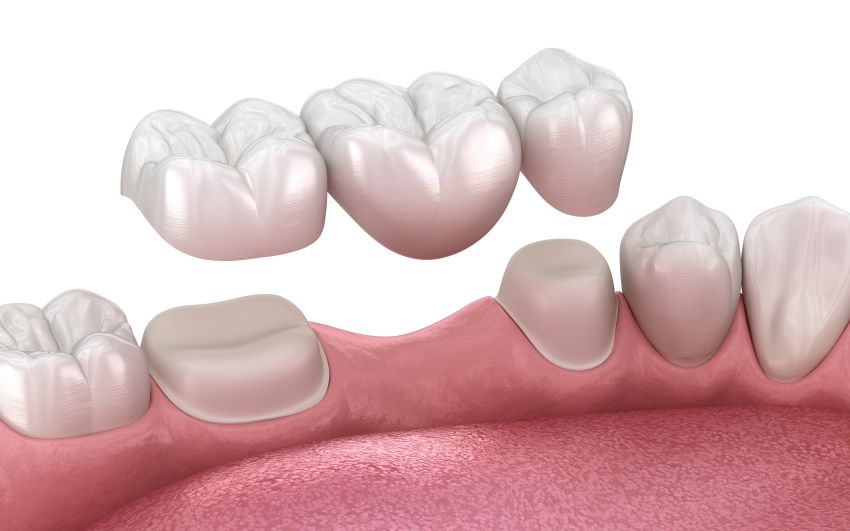
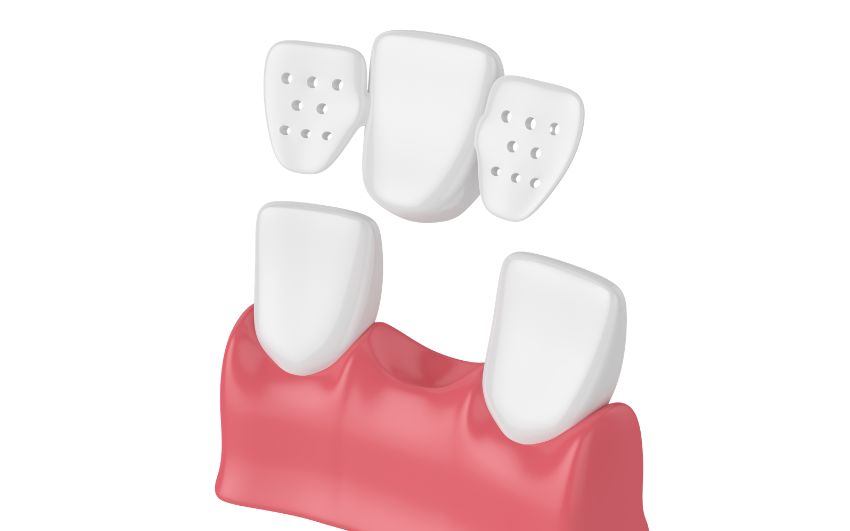



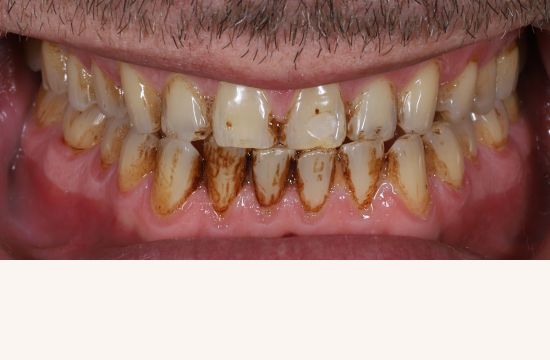
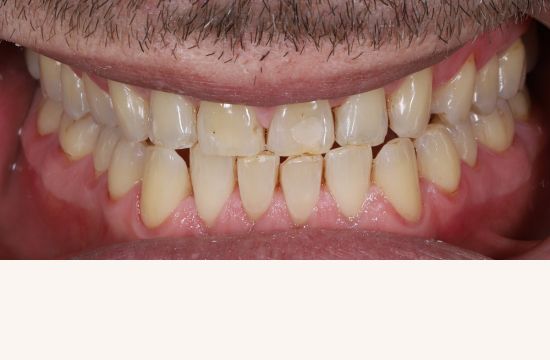
Common options include conventional bridges that rest on prepared adjacent teeth, resin-bonded (Maryland) bridges that minimise tooth preparation, and implant-supported bridges that avoid altering neighbouring teeth altogether. Your dentist will explain which design is most appropriate for your situation, along with the alternatives.
Treatment usually involves preparing the supporting teeth under local anaesthetic, taking impressions or digital scans, and fitting a temporary restoration. Your bespoke bridge is then made by a dental laboratory and bonded or cemented into place at a second visit. Implant-supported bridges follow a longer timeline to allow for healing.
Conventional bridges involve permanent changes to the supporting teeth. Bridges can debond, fracture or develop decay around the supporting teeth and may need replacement in future. Cleaning underneath the pontic requires a specific technique that we will teach you. We will also discuss alternatives such as implants or dentures.
Caring For Your Bridge: Daily cleaning is essential to keep the supporting teeth healthy.
Pay close attention to the gum line around the bridge.
Use floss threaders or specialist interdental brushes daily.
Hard or sticky foods can damage or dislodge a bridge.
Looseness, pain or odour around a bridge should be checked.
Useful if you grind or clench your teeth.
Your dentist will monitor the supporting teeth and gums.
Speak with our Holborn team to find out whether a bridge is the right option for you.
We’re proud to have helped many patients feel confident in their skin and smile. Read what they have to say — and if you’ve visited us, we’d love to hear from you too!
View aLL